Red Bubble: Elevating Design with Graffiti-Style Typography
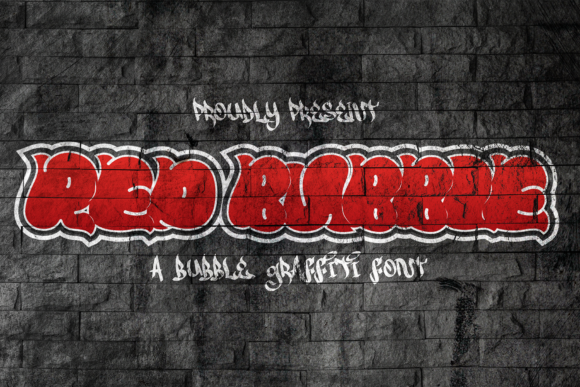
In the crowded landscape of digital and physical design, capturing attention within the first few seconds is not just an advantage—it is a necessity. Visual noise is everywhere, from social media feeds to bustling storefronts, and breaking through that clutter requires more than just bold colors or high-resolution imagery. It demands a distinct typographic voice. This is where Red Bubble steps in as a transformative element for creators who want their work to stand out without relying on chaotic visuals. As a spectacular graffiti-style display font characterized by its bubble and round aesthetics, Red Bubble offers a unique blend of urban edge and playful approachability.
For professionals ranging from freelance graphic designers to small business owners, selecting the right typeface is often the difference between a project that looks amateurish and one that feels polished and intentional. Red Bubble is not merely a decorative addition; it is a strategic tool that can elevate branding, headings, wall art illustrations, apparel designs, labels, and digital wall art to the highest level. Its distinctive shape allows it to command space while maintaining a sense of fun and accessibility, making it a versatile choice for a wide array of creative endeavors.
The Power of Playful Boldness in Branding
One of the most significant challenges in modern branding is balancing professionalism with personality. Traditional serif or sans-serif fonts often convey stability and trust but can sometimes feel sterile or overly corporate. Conversely, handwritten scripts might feel personal but can lack impact at larger sizes. Red Bubble occupies a sweet spot in this spectrum. Its graffiti-inspired roots provide an inherent sense of rebellion and creativity, while its rounded, bubble-like forms soften the aggression typically associated with street art.
Consider a startup launching a new line of youth-oriented activewear or a local coffee shop aiming to attract a younger demographic. Using Red Bubble for their primary logo or main headlines immediately signals that the brand is energetic, modern, and unafraid to be different. The font’s structure ensures legibility even when scaled up, which is crucial for signage and large-format prints. For entrepreneurs, this means you can communicate your brand’s dynamic nature without sacrificing clarity. The visual weight of the letters draws the eye naturally, guiding the viewer’s focus to your core message before they even process the surrounding content.
Furthermore, the versatility of Red Bubble extends beyond simple logos. When used in combination with minimalist backgrounds or clean geometric shapes, the font becomes the undisputed hero of the design. This contrast—between the complex, organic curves of the text and the simplicity of the layout—creates a sophisticated tension that is highly appealing to contemporary audiences. It suggests that the brand understands current trends while remaining timeless in its appeal.
Enhancing Visual Storytelling in Digital and Physical Media
Digital wall art and printable downloads have become a massive market for creators, particularly those selling on platforms like Etsy or running their own e-commerce stores. In this space, the typography needs to hold its own against intricate illustrations and vibrant color palettes. Red Bubble excels here because its thick, rounded strokes prevent it from getting lost in busy compositions. Whether you are designing motivational posters, party invitations, or album covers, this font adds a layer of depth and texture that flat, standard fonts simply cannot achieve.
For educators and bloggers, incorporating Red Bubble into headers or featured images can significantly increase engagement. Human brains are wired to respond to novelty, and the unique silhouette of each letter in Red Bubble triggers curiosity. When a reader sees a headline set in this typeface, they are more likely to pause and read the accompanying text. This subtle psychological nudge can improve click-through rates and time-on-page metrics, which are vital for content creators looking to grow their audience. Additionally, the font’s friendly appearance makes complex topics feel more approachable, lowering the barrier to entry for readers who might otherwise find technical or academic subjects intimidating.
On the physical side, apparel and labels benefit immensely from the tactile quality implied by Red Bubble. Even though it is a digital font, the "bubble" aesthetic mimics the look of inflated balloons or wet paint, evoking a sensory experience. When printed on t-shirts, tote bags, or product packaging, this font creates a perception of quality and care. It suggests that the product inside is crafted with attention to detail and a sense of humor. For small business owners, this translates to higher perceived value, allowing them to justify premium pricing based on the strength of their visual identity.
Practical Applications and Creative Flexibility
The true strength of Red Bubble lies in its adaptability across various mediums. While it shines as a display font for headlines, it can also be used creatively in subheadings or call-to-action buttons to add emphasis. However, it is important to use it with intention. Because of its strong visual presence, Red Bubble works best when given ample breathing room. Overcrowding text around these letters can diminish their impact and make the design feel cluttered. Designers should treat Red Bubble as a statement piece, allowing it to dominate specific areas of the composition rather than trying to force it into body copy or dense paragraphs.
- Apparel Design: Use for front-center chest prints or back graphics where the font needs to be readable from a distance. The rounded edges ensure comfort against the skin if the print is textured, and the style appeals to fashion-forward consumers.
- Event Posters: Ideal for concerts, festivals, or community events where energy and excitement are key themes. The graffiti style aligns well with music and arts genres, instantly setting the tone for the event.
- Product Labels: Perfect for artisanal goods, craft beers, or handmade cosmetics. The font conveys a handcrafted, authentic vibe that resonates with consumers looking for unique, non-mass-produced items.
It is also worth noting how Red Bubble interacts with color. Due to its solid, filled shapes, it responds beautifully to both monochromatic schemes and vibrant gradients. A neon pink or electric blue application can amplify its graffiti origins, while a muted pastel palette can give it a softer, more whimsical character. This flexibility allows designers to tweak the mood of the font to suit specific brand guidelines without changing the underlying typeface.
Considerations for Effective Implementation
While Red Bubble is a powerful tool, it is not a one-size-fits-all solution. Like any display font, it has limitations. It is generally unsuitable for long-form body text due to its irregular spacing and heavy visual weight. Readers may experience fatigue if forced to read paragraphs composed entirely of such distinctive characters. Therefore, the best practice is to pair Red Bubble with a neutral, highly readable sans-serif or serif font for supporting text. This pairing creates a harmonious balance, allowing the headline to grab attention while the body copy delivers information efficiently.
Additionally, designers should be mindful of kerning and tracking. Because the letters are rounded and somewhat compact, improper spacing can cause them to merge visually, reducing legibility. Taking the time to adjust letter spacing manually can make a significant difference in the final output, ensuring that each character retains its individual charm while contributing to a cohesive word shape. Testing the font at various sizes is also crucial; what looks great on a large banner might lose its definition when shrunk down for a mobile interface or a small business card.
Ultimately, Red Bubble is more than just a font; it is a stylistic decision that communicates attitude, creativity, and confidence. By understanding its strengths and respecting its limitations, designers and business owners can leverage its unique qualities to create memorable, impactful projects. Whether you are rebranding a company, designing a new product line, or simply adding flair to your blog, Red Bubble offers a reliable way to inject personality into your work. In a world where visual communication is paramount, choosing a typeface that speaks volumes without saying a word is a smart investment in your creative success.